Stinging Insect Control in Upstate New York
As temperatures rise across Western New York, so does activity from bees, wasps, hornets, and other stinging insects. While many pollinators play an important role in the environment, stinging insects nesting around homes, decks, sheds, and businesses can quickly become a serious safety concern for families, pets, customers, and employees. If you’re noticing increased bee or wasp activity around your property, understanding the difference between beneficial pollinators and aggressive stinging insects is the first step toward protecting your home safely and effectively.
If you’re searching for exterminator services, we offer stinging insect pest control in areas like Batavia, Bergen, Churchville, Chili, Leroy, Brockport and many other surrounding areas throughout Genesee and Monroe county. Understanding the difference between beneficial pollinators and aggressive stinging insects is the first step toward protecting your home safely and effectively.
Professional pest control treatments can also help with common household pests including:
Common Stinging Insects Found Around Homes
Wasps
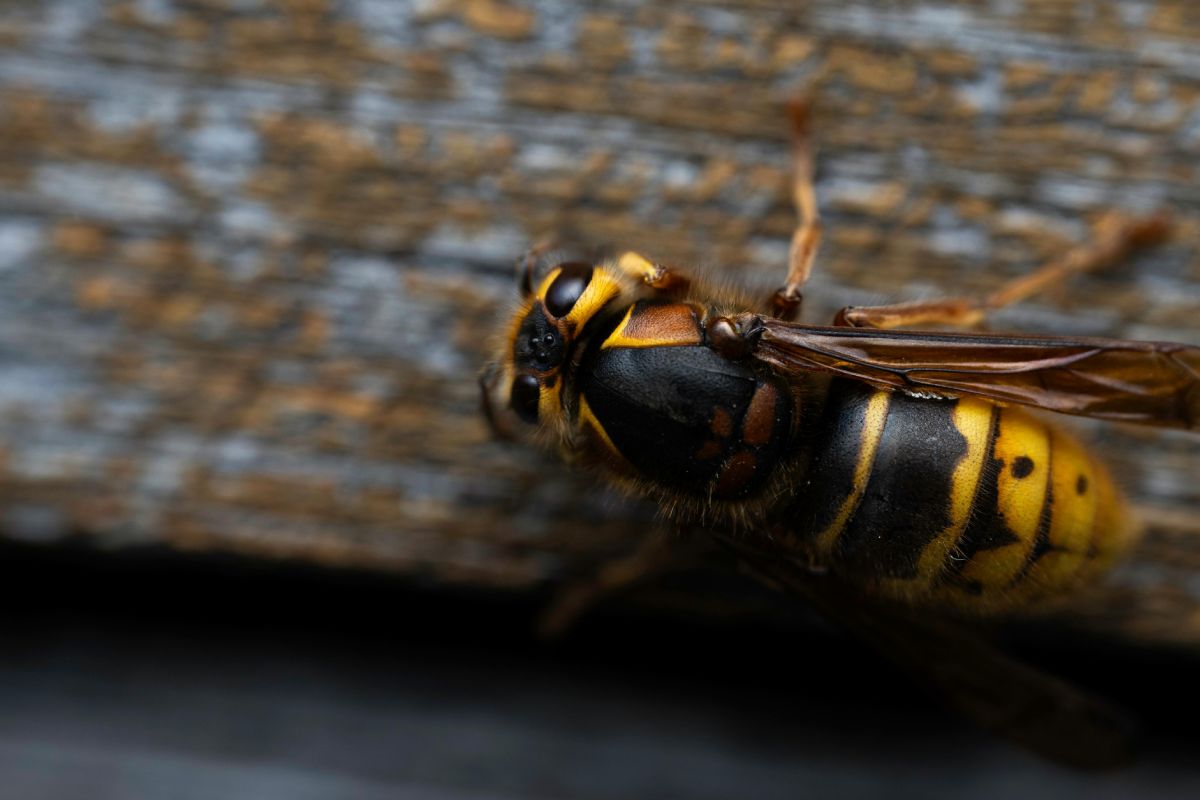
Wasps are one of the most common nuisance insects homeowners deal with during spring and summer. They often build nests under siding, roof overhangs, decks, railings, and outdoor furniture. Wasps become increasingly aggressive as colonies grow larger later in the season.
Common signs of a wasp problem include:
- Increased insect activity around entryways
- Visible paper nests
- Wasps entering small gaps or cracks
- Aggressive behavior near outdoor living spaces
Hornets
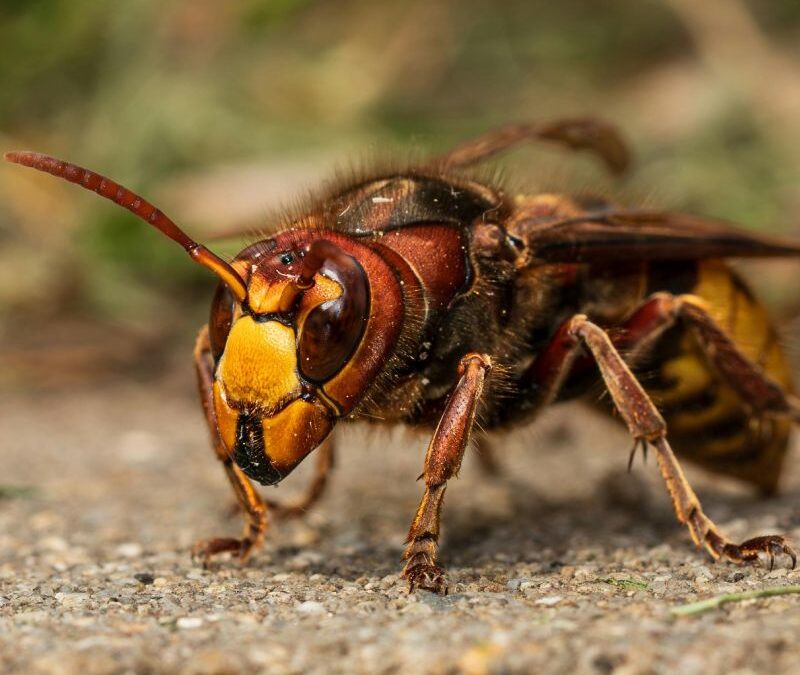
The only true hornets found in NY is the European Hornet. European Hornets are larger and typically more aggressive than standard wasps or Yellowjackets. Their nests are often found in trees, bushes, garages, attics, and soffits. Hornets differ from other species of bees or wasps because they stay active at night. Disturbing a hornet nest can result in multiple painful stings within seconds.
Yellow Jackets
Yellow jackets are among the most aggressive stinging insects homeowners encounter. Unlike bees, they can sting multiple times and are highly territorial. They commonly nest underground, inside wall voids, or near landscaping.
Yellow jackets are especially attracted to:
- Garbage cans
- Outdoor food and drinks
- Pet food
- Fallen fruit
- Outdoor gatherings and cookouts
Bees
Bees are important pollinators and should be treated differently whenever possible. However, when bees establish hives inside walls, soffits, chimneys, or high-traffic areas around your home, professional removal may be necessary for safety reasons.
Carpenter bees are another common issue for homeowners. Unlike honeybees, carpenter bees bore into wood surfaces including:
- Decks
- Fascia boards
- Sheds
- Railings
- Wooden trim
Over time, carpenter bee damage can weaken wood and attract woodpeckers that further damage structures.
Why DIY Removal Can Be Dangerous
Many homeowners attempt to spray nests themselves using store-bought products. Unfortunately, this can often make the problem worse.
Disturbing a nest without proper equipment or treatment methods can lead to:
- Aggressive swarming behavior
- Multiple stings
- Incomplete nest elimination
- Repeated infestations
- Hidden nests remaining active inside walls or structures
For individuals with allergies, even a single sting can become a medical emergency.
Professional treatment helps ensure nests are located properly, removed safely, and treated thoroughly to reduce the likelihood of reinfestation.
How Professional Stinging Insect Treatments Work
Professional pest control treatments target active nests while also helping prevent future activity around your property.
A professional inspection typically includes:
- Identifying the insect species
- Locating active nests and entry points
- Assessing risk areas around the home
- Applying targeted treatments safely
- Recommending prevention measures
Depending on the situation, treatments may involve:
- Exterior residual applications
- Nest removal
- Dust treatments for nests in the ground
- Preventative barrier applications can be done in the spring to prevent large nests and colonies from forming
Tips to Reduce Bee & Wasp Activity Around Your Home
Homeowners can help minimize stinging insect problems by following a few preventative measures:
Eliminate Food Sources
- Keep garbage containers sealed tightly
- Clean outdoor grills regularly
- Avoid leaving sugary drinks outdoors
- Remove fallen fruit from yards
Seal Entry Points
- Repair damaged siding
- Seal cracks around windows and doors
- Replace or patch any screens on doors or windows that may be damaged
- Replace and missing soffit
- Repair holes around utility lines
Reduce Nesting Areas
- Inspect sheds and playsets regularly
- Treat exposed wood surfaces
- Remove old inactive nests
- Trim overgrown bushes and tree branches
When to Call a Professional
You should contact a pest control professional if:
- You discover an active nest
- Wasps hornets or Yellowjackets are entering walls or soffits
- Family members are allergic to stings
- You notice aggressive behavior
- Carpenter bees are damaging wood
Reliable Bee & Stinging Insect Control
Protecting your family and property starts with proper identification and safe treatment. Preventative pest control can help reduce future problems throughout the season. Whether you’re dealing with wasps around your deck, yellow jackets in the yard, hornets near your roofline, or carpenter bees damaging wood structures, fast and professional service can help restore peace of mind.
Contact us today to schedule an inspection or treatment and enjoy your outdoor spaces safely this season.